
Court Basics
Burden of Proof: Civil vs. Criminal Cases
In U.S. courts, the prosecution generally must prove criminal guilt beyond a reasonable doubt.
Court terminology often compresses several different ideas into one short phrase. Court Basics unpacks those ideas without pretending that a general overview decides a real case. Examples primarily use common U.S. terms and flag where rules can differ by court, claim, and jurisdiction.
In U.S. courts, the prosecution generally must prove criminal guilt beyond a reasonable doubt.
Yes, but usually only part of it. The burden of production, meaning the duty to put forward enough evidence on an issue, can move to the other side…
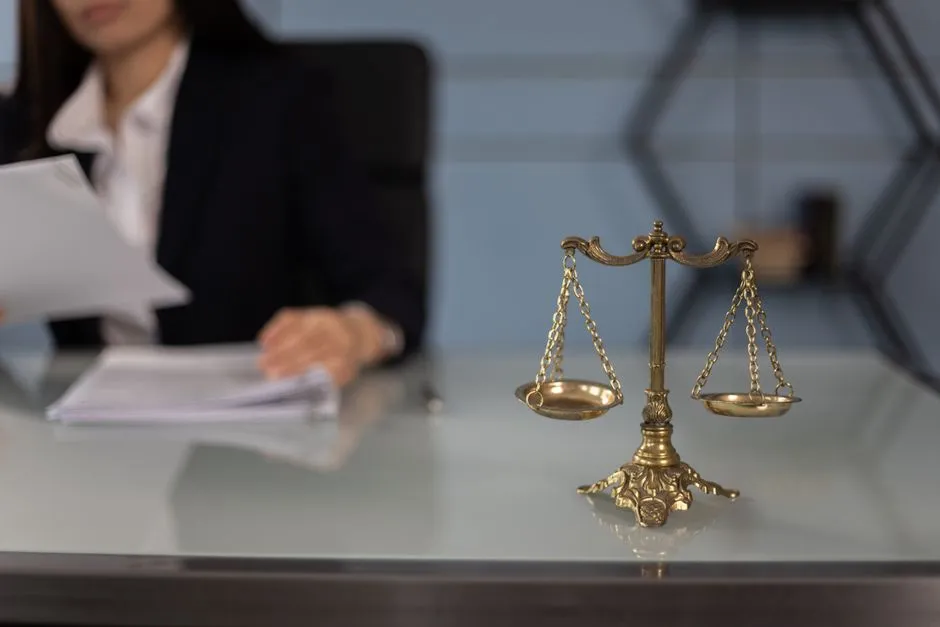
The burden of proof identifies the party responsible for establishing a disputed point; the standard of proof identifies the required degree of persuasion.
Clear and convincing evidence requires firm conviction that the disputed allegations are true. Its application depends on the issue and jurisdiction; the U.S.
An evidential burden concerns whether enough evidence has been raised for a matter to be considered; a legal, or persuasive, burden concerns proving that…
In U.S. federal civil practice, a Rule 12 motion to dismiss often tests whether a complaint can proceed as pleaded or raises a threshold defense.
The three commonly recognised trial standards are preponderance of the evidence, clear and convincing evidence, and beyond a reasonable doubt.
A criminal trial requires a higher standard of proof because a wrongful conviction can cost an innocent person their liberty and stigmatizes them as a…